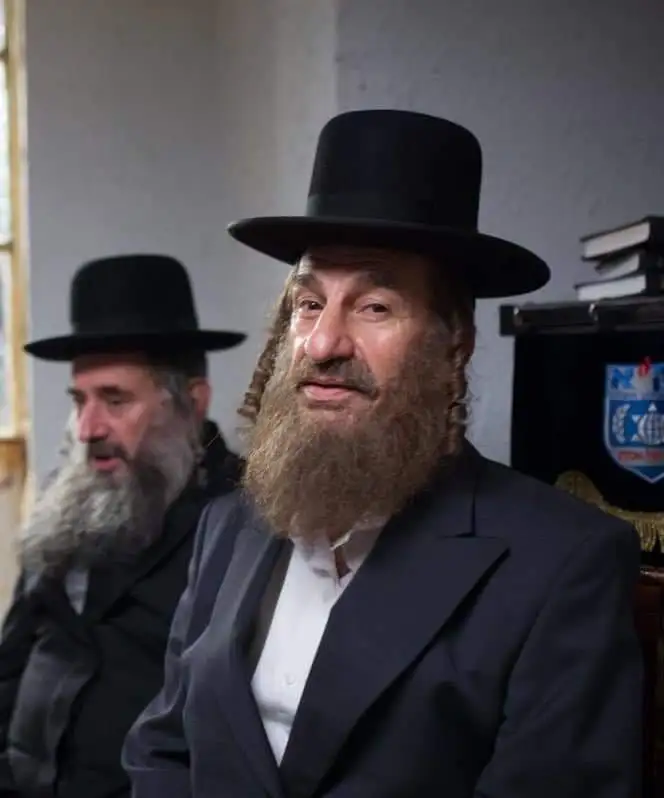
Re: "שטיסל" טעלעוויזיע סעריע
ווי קומט דאס ביי שטיסל?
טרויבן88יהושע חייםאיך רעדט פון סובטייטלסטרויבן88נאטירליךאיז אזוי, שטיסל איז נישט דא פאר וויפיל איך ווייס, סא, עס איז דא אן אנדערע שאו, עס הייסט "סרוגים" עס שפילט נישט אראפ קיין חרדים, עס שפילט אראפ די מאדערנע דתיים, די כיפה סרוגה אידן, אויב עס איז אינטערעסאנט פאר דיר און דיין רעבעצין קענט עס דעס קוקן, אין יענץ איז דא "נאר" אין ענגלישייש"כ רבינו טרויבן פאר נעמען די צייט...
איך האב שוין געזעהן ביידע עונות, איך וויל עס נאר וואטשן מיט מיין רעביצן, וואס פארשטייט נישט קיין עברית
ווי קען מען טרעפן?
סרוגים איז יא און עברית (אפשר מיינט איר סאבטייטעלס)
יהושע חייםאויף עמעזאן פריים, און אויף <a class="postlink" href="https://terrariumtv.com">https://terrariumtv.com</a> וואס איז אן עפפ וואס די ברויכסט דאונלאודן, און זיכן פאר "srugim"טרויבן88יהושע חייםאיך רעדט פון סובטייטלסטרויבן88נאטירליךאיז אזוי, שטיסל איז נישט דא פאר וויפיל איך ווייס, סא, עס איז דא אן אנדערע שאו, עס הייסט "סרוגים" עס שפילט נישט אראפ קיין חרדים, עס שפילט אראפ די מאדערנע דתיים, די כיפה סרוגה אידן, אויב עס איז אינטערעסאנט פאר דיר און דיין רעבעצין קענט עס דעס קוקן, אין יענץ איז דא "נאר" אין ענגלישייש"כ רבינו טרויבן פאר נעמען די צייט...
איך האב שוין געזעהן ביידע עונות, איך וויל עס נאר וואטשן מיט מיין רעביצן, וואס פארשטייט נישט קיין עברית
ווי קען מען טרעפן?
סרוגים איז יא און עברית (אפשר מיינט איר סאבטייטעלס)
ווי קען מען עס באקומען מיט די סאבטייטעלס (בחינם פארשטייצעך)
סקרןנאך איינער האט געבעטן אין אישי, סא נעקסטע וואך וועט עס זיין אוועילעבעלווייסט איינער ווי מען קען דאונלאודן די גאנצע זאך? אדער אויף גוגל דרייו צי איינער האט עס?
יהושע חייםעס איז נישט דא ווי געשמועסט דא http://www.kaveshtiebel.com/viewtopic.php?p=386379#p386379בתרגום אנגלית איז מעגלעך?
סקרןווייסט איינער אפשר ווען די דריטע עונה קומט ארויס?
סקרןס'הייסט אז בקרוב ממש קומט א דריטע עונה ווייסט איינער מער פרטים?
berlbalagulehס'איז דא א גאר גרינגע וועג צו זאגן שכויח דא אויף קאווע שטיבל מ'רופט עס א לייק...[emoji3]יהודי פשוט: ייש"כ. ס'זעהט אויס צו זיין א פעסטע סעריע. נאר א ביסל מער פראסט ווי ..."שטיסל"...!
berlbalagulehסקרן: וכל מאן דבעי למידע. דער אמת איז אז כאטש ס'האבן זיך לעצטנס פארמערט די טעלעוויזיע סעריעס וועלכע פרובירן צו געבן אן אריינבליק אין לעבן פון די חרדים אין די היינטיגע וועלט. קומט אבער קיין איינס פון די שאוס נישט צו צו די געשמאק און טעם וואס די שטיסל סעריע האט מיט זיך פארגעשטעלט. ערשטנס. די פונקטליכקייט מיט וואס די (נישט רעליגיעזע) אקטארס האבן געשילדערט דאס אידישע, חסיד'ישע לעבן אן קיין איין טעות אדער עם הארצות, איז צום באוואונדערן.
ס'איז דא נאך א שאו וואס איז געלאפן אין ארץ ישראל פאר גאר א קורצע צייט וועלכע האט אויך געהאט דעם היימישן אמת'דיגן געשמאק. אבער ס'האטציך פלוצלינג אויפגעהערט. דער שאו (ע"ה) האט געהייסן..."החצר"...ס'האטציך געהאנדלט איבער א רעביש'ן הויף איבער וועלכן 2 ברודערס און זייערע חסידים האבן זיך געשלאגן (נישט ממש פיזיש.) ס'איז געווען גאנץ דראמאטיש. אויך מיט אומ-רעליגיעזע עקטארס. אבער זיי קומען נישט צו צו די אויטענטישקייט פון די שטיסל עקטארס...!
שנת 2019. ישראל קרועה ומפולגת בין מדינת ישראל החילונית לבין האוטונומיה החרדית. מאורעות תשמ״ט (1989) העקובים מדם, הביאו להקמתה של פדרציה חרדית בתחומי ירושלים וגלילותיה הפועלת לפי חוקי ההלכה היהודית. בני-ברק הפכה לפרוור של תל-אביב החילונית. כל אחד מאזרחי ישראל נדרש להחליט אם הוא מעוניין להפוך לתושב של האוטונומיה החרדית, או נשאר בתחום שיפוטה של ישראל החילונית. מדינת ישראל נותרה מדינה שיש בה חופש ופולחן דת, אבל הדת הופרדה מן המדינה לחלוטין. בשנה שלאחר מכן נבנתה חומת הפרדה שמקיפה את האוטונומיה החרדית, ומסוף מעבר אימתני הוקם בגבולות האוטונומיה והמדינה בהרי ירושלים, סמוך לבית שמש. כל אזרח ישראלי שמעוניין לבקר באוטונומיה, נדרש לאשרת כניסה ולבדיקה שמטרתה מניעת הברחת מצרכים שאסורים להכנסה לשטחי האוטונומיה.
בְּרוֹידֶא (אסי כהן), מאכער חרדי המתגורר באוטונומיה החרדית ומתפרנס מהברחות קטנות ואסורות בין המדינה החילונית והאוטונומיה החרדית. מקבל הצעת עבודה שתשנה את חייו: לחטוף ילדה קטנה עליה מתנהל מאבק משפטי בין שתי משפחות – חרדית וחילונית, ולהעביר אותה מהמדינה החילונית לטריטוריה החרדית. הסאגה המשפטית שמוגדרת כ״משפט שלמה המודרני״, ובעקבותיה חטיפתה של הילדה, מעוררות סערה דרמטית שמאיימת לקרוע לגזרים את הסטטוס-קוו הטריטוריאלי. האש שבה להבעיר את המדינה כולה ומלחמת האחים נראית קרובה מתמיד. מבין השברים, החומות והקרעים עולים אהבה גדולה וגעגועים הביתה.
אישתישביכ'זעה נישט ווי אקוראט דאס קען זיין, ווען זיי ווייזען חריידישע פאליס מיט א פאליציי היטל אויפהענגן א מודעה וועגן שבת, צו איינער וואס קלאפט אויף דער טיר און זאגט אז ער האט א אישור פין בית דין בודק צו זיין איר הויז. די זאכען עקזיסטירן נישט.
יהודי פשוטאיך וואלט מציע געווען צי עפענען א נייע אשכול און אריבערפירן אלע תגובותבקרוב הייבט זיך אן א פרישע סעריע איבער חרדי'שע אידן, ס'הייסט אוטונומיות...
<a class="postlink" href="https://youtu.be/Z4t42ZlSlow">https://youtu.be/Z4t42ZlSlow</a>
טאמבל סאסנאך איינער באמערקט דער פערטער וואס איז קענטליך בכוונה ארויסגעשניטן געווארן אבער וואס אין די שפיגל, מערסט אדד, ערשיינט גענצליך נישט?
סקרןס'הייסט אז בקרוב ממש קומט א דריטע עונה ווייסט איינער מער פרטים?
INTERVIEW
‘Shtisel’ Star Michael Aloni On How He Prepared To Play A Chasid On TV
Plus where he draws his inspiration from, his hopes for the future, and his dream role.

By ALAN ZEITLIN
4 February 2019, 5:38 pm  0
‘Shtisel’ Star Michael Aloni On How He Prepared To Play A Chasid On TV
Michael Aloni as Akiva Shtisel in "Shtisel," a TV show about a chareidi's
family in Jerusalem's Mea Shearim neighborhood. Courtesy
158
shares

Michael Aloni is an Israeli actor who plays Akiva Shitsel, a chasidic man looking for love on “Shitisel,” and an ex-soldier on a risky mission to find his lost friend in “When Heroes Fly.” Both shows received positive reviews and were wildly popular in Israel. They recently became available for an English-speaking audience on Netflix in the United States. (Read a review of “Shtisel” here). He also stars in “Out In The Dark,” a film about a love affair between two Israeli and Palestinian men. The Jewish Week spoke with Aloni by phone to chat about his approach to the roles and how he hopes they can make a social impact. This interview has been edited for length.

Q: In the media, Israeli soldiers are mostly portrayed as tough guys ready for battle. “When Heroes Fly” shows them in a different light — dealing (or not dealing) with their PTSD. Is the hope that the show encourages soldiers to get therapy?


A: [In the show] the four friends are reunited to try to save a loved one and see if she may be alive in Colombia. After ten years of what happened to them in the military, they’re all carrying it with them. They are all suffering with PTSD in different forms. My character keeps it in but it breaks out in the form of cancer… In Israel, when it aired, there was a great reaction. I think it had a wonderful effect in getting people to speak up and tell their story. So while we meant to make a show that was enjoyable for the audience, it had a great side effect.

Q: In the final episode, your character does something heroic, risking his life. Is your character the hero of the show?

A: I think there’s four heroes. It’s a four-headed monster. They’re brothers-in arms. You can’t really separate one from the other. It’s about their power together. You can follow and find a little of yourself in every character?


Q: How did you prepare for “Shtisel?” Did you go to hotel lobbies and watch Hasidim on dates?

A: I actually did. I spied. Before we started shooting, we had months of preparation. We had to learn Yiddish. We had a rabbi teach us the prayers and the rules. We also went undercover in Meah Shearim. I stayed with a family there. It was a great experience.

Q: What was the hardest part of the role?

A: I don’t know if there was a hardest part but we wanted to make sure it’s not about looking into those closed gates of a community. It’s a story about humanity and about people. Akiva, my character, has a very poetic soul trying as an artist struggling to put his truth out there. I feel that I am very lucky “Shtisel” has the chance to be on Netflix and people around the world can enjoy it and I can send my truth in a way to the world.

Q: Do you think it has the ability to potentially change people’s views of chasidim?

A: I think it will change a person’s opinion on this community. We are dealing with the same issues It doesn’t matter if you don’t wear the hat or grow payes (sidelocks).

Q: Your payes on the show were real?

A: I grew them up to a certain length and it’s like a hair extension.

Q: American viewers have mentioned there’s a lot of smoking on the show. Do you think Israelis should try to smoke less or it’s just part of the stress of living there?

A: If you go to Meah Shearim, you’ll understand. For now, if you walk into a restaurant you’ll see people smoking while they are eating inside the restaurant. You’ll see [it] as it was for us 20 years ago. It’s like a time capsule.

Q: What’s the funniest thing that happened on set?

Dov Glickman [who plays Aloni’s TV father in “Shtisel”] is one of the greatest comedians in Israel of all time. To have a scene with him, you’re trying to not choke on your food. We’re basically eating and smoking all the time. Even the most serious scenes we shot. He’d have food on his beard or something and we’d have to do another take and another take.

Q: Akiva is asked to sacrifice his art and not paint so he can get a match. In real life, would you ever date someone who told you not to take a certain role or asked you to sacrifice your art?

My art is my mistress or might be my real wife.  I am married to my art. I’m not going to give it up. I don’t see any reason why anyone would have to do that.

Q: Why do you think the world seems to be noticing so many Israeli shows right now?

A: What Netflix is doing is putting good shows on their platform that allow shows to be recognized and be seen in their language. I get followers from America and Hong Kong. The world is becoming smaller.

Q: In “Out In The Dark” you play the role of an Israeli man in love with a Palestinian man. What did that role mean to you and do you think film has the power to change perception, either regarding acceptance of the LGBTQ community or the Israeli-Palestinian conflict?

A: I had the fun and luck to get a variety of different roles from a chasidic guy to a soldier with PTSD to a love story between an Israeli and Palestinian. Stories and films open people’s hearts and maybe can make them see the world a little bit different. That’s what art does. It sparks something in you and makes you think a little.

Q: How did being in the army impact you?

A: Israelis don’t think about it. We just do it. When we go to serve, a lot of people at the age of 18 (in other countries) go to university or they travel and it keeps them more in the place of not growing up, of maybe still a kid. We have to grow up quickly.

Q: Do you think soldiers who have served in the army and become actors are better at dealing with getting rejected from parts because of what they’ve experienced?

A: I think it’s different from person to person.  I know people who served, and when they audition and don’t get the part they want it can be more devastating than being in a war zone. But you never know [what] will be the most painful.

Q: Did you ever worry that people would focus on your appearance and not take you always as seriously as an actor.

A: Are you implying that I am good looking?

Q: That’s what many are saying.

A:  I’ll take it as a compliment. Never thought about it. I think I’ll quote “Zoolander.” I think in the beginning, Ben Stiller says, “Is there anything more to the world except for being very, very, good looking?” I don’t know.

Q: Are there any projects you’d like to do or actors you would want to work with?

A: The Oscars are coming and I saw the best preview show about the renewal of “A Star is Born” is born and I was fascinated by it. [I] would like a very special project like that that for example.
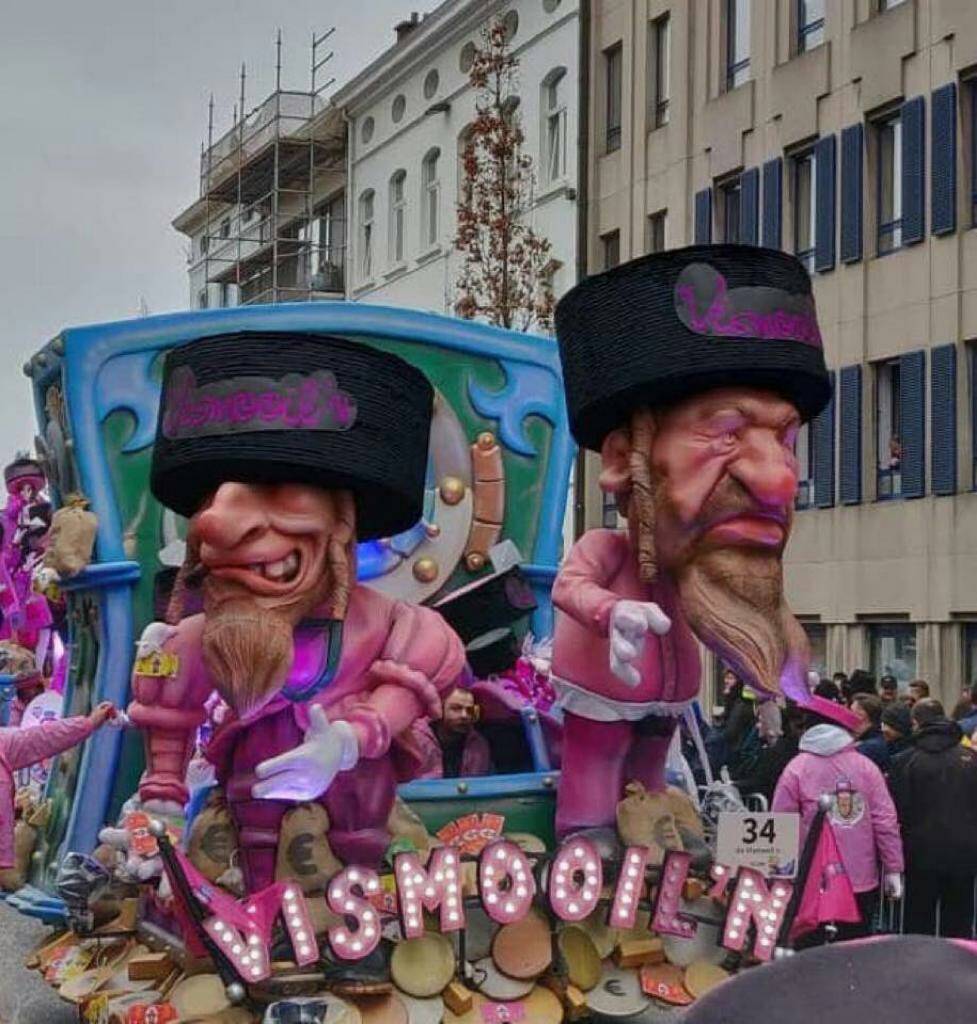
לבי ובשרידי לינק ארבעט נישט ביי מיר
יהודי פשוטלבי ובשרידי לינק ארבעט נישט ביי מיר