פאזעטיווע געדאנקן
52 פאסטס אין ארכיוו · אשכול #7205
פאזעטיווע געדאנקן
אנגעזעצטע זענען געלאדענט.
אסאך מאל זעהט מען א פאזעטיווע רעיון וואס בליצט אויף א קלארקייט און קאפ, און לאזט א איינדרוק אויפן מענטש.
דער אשכול איז א ליקוט פון פארשידענע פאזעטיווע רעיונות, בילדער, אדער קליפס וואס העלפט די מחשבה שטייגן און איר געדאנקן גאנג.
ווי אזוי צו גיין אנגעטון.
האסט נישט באקומען דיין גוט מארגען?
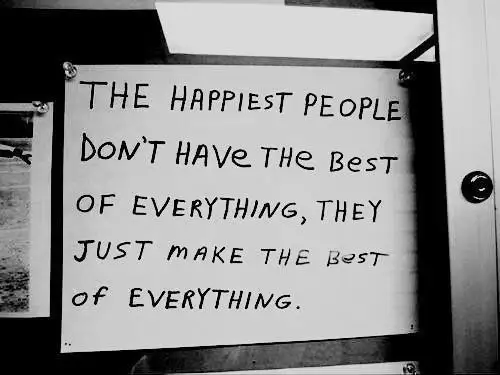
א גרויסע כלל אין לעבען!
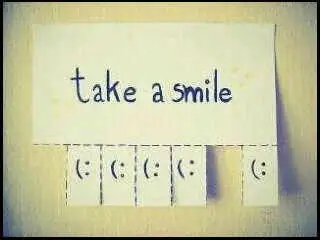
עס קאסט אייך גארנישט!
“Ask Yourself The Question, ‘Will This Matter A Year From Now?”
Almost every day, I play a game with myself that I call “time warp.” I made it up in response to my consistent, erroneous belief that what I was all worked up about was really important. To play “time warp,” all you have to do is imagine that whatever circumstance you are dealing with isn’t happening right now but a year from now. Then simply ask yourself, “Is this situation really as important as I’m making it out to be?” Once in a great while it maybe – but a vast majority of the time, it simply isn’t
Whether it be an argument with your spouse, child or boss, a mistake, a lost opportunity, a lost wallet, a work-related rejection, or sprained ankle, chances are, a year from now you aren’t going to care. It will be one more irrelevant detail in your life. While this simple game won’t solve all your problems, it can give you an enormous amount of needed perspective. I find myself laughing at things that I used to take far too seriously. Now, rather than using up my energy feeling angry and overwhelmed, I can use it instead on spending time with my wife and children or engaging in creative thinking
Omg big boy, that is amazing.
סאשי פישווי אזוי צו גיין אנגעטון.
📎 photo 5.JPG
וועד הצניעות לאזט נישט 😛
עניוועי, א דאנק אלעמען, איך שפיר אזויפיל בעסער!!!!
פאזעטיווע מחשבות ברענגט אהבת עצמו. אהבת עצמו ברענגט אהבת הבריות. אהבת הבריות ברענגט צופרידנקייט.
“Allow Yourself to Be Bored”
For many of us, our lives are so filled with stimuli, not to mention responsibilities, that it’s almost impossible for us to sit still and do nothing, much less relax – even for a few minutes. A friend of mine said to me, “People are no longer human beings. We should be called human doings”
I was first exposed to the idea that occasional boredom can actually be good for me while studying with a therapist in La Conner, Washington, a tiny little town with very little “to do.” After finishing our first day together, I asked my instructor, “What is there to do around here at night?” He responded by saying, “What I’d like you to do is allow yourself to be bored. Do nothing. This is part of your training.” At first, I thought he was kidding! “Why on earth would I choose to be bored?” I asked. He went on to explain that if you allow yourself to be bored, even for an hour – or less – and don’t fight it, the feelings of boredom will be replaced with feelings of peace. And after a little practice, you’ll learn to relax
Much to my surprise, he was absolutely right. At first, I could barely stand it. I was so used to doing something every second that I really struggled to relax. But after a while, I got used to it, and have long since learned to enjoy it. I’m not talking about hours of idle time or laziness, but simply learning the art of relaxing, of just “being,” rather than “doing,” for a few minutes each day. There isn’t a specific technique other than to consciously do nothing. Just sit still, perhaps look out the window and notice your thoughts and feelings. At first you may get a little anxious, but each day, it will get a little easier. The payback is tremendous
Much of our anxiety and inner struggle stems from our busy, overactive minds always needing something to entertain them, something to focus on, and always wondering “What’s next?” While we’re eating dinner, we would wonder what’s for dessert. While eating dessert, we ponder what we should do afterward. After that evening, it’s “What should we do this weekend?” After we’ve been out, we walk into the house and immediately turn on the television, pick up the phone, open a book, or start cleaning. It’s almost as though we’re frightened at the thought of not having something to do, even for a minute
The beauty of doing nothing is that it teaches you to clear your mind and relax. It allows your mind the freedom to “not know,” for a brief period of time. Just like your body, your mind needs an occasional break from its hectic routine. When you allow your mind to take a break, it comes back stronger, sharper, more focused and creative
When you allow yourself to be bored, it takes an enormous amount of pressure off you to be performing and doing something every second of every day. Now, when either of my two children says to me, “Daddy, I’m bored,” I respond by saying, “Great, be bored for a while. It’s good for you.” Once I say this, they always give up on the idea of me solving their problem. You probably never thought someone would actually suggest that you allow yourself to be bored. I guess there’s a first for everything!
“Lower Your Tolerance To Stress”
It seems that we have it backward in our society. We tend to look up to people who are under a great deal of stress, who can handle loads of stress, and those who are under a great deal of pressure. When someone says, “I’ve been working really hard,” or “I’m really stressed out,” we are taught to admire, even emulate their behavior. In my work as a stress consultant, I hear the proud words “I have a very high tolerance to stress” almost every day. It probably won’t come as a surprise that when these stressed – out people first arrive at my office, more often than not, what they are hoping for are strategies to raise their tolerance to stress even higher so that they can handle even more!
Fortunately, there is an inviolable law in our emotional environment that goes something like this: Our current level of stress will be exactly that of our tolerance to stress. You’ll notice that the people who say, “I can handle lots of stress” will always be under a great deal of it! So, if you teach people to raise their tolerance to stress, that’s exactly what will happen. They will accept even more confusion and responsibility until again, their external level of stress matches that of their tolerance. Usually it takes a crisis of some kind to wake up a stressed – out person to their own craziness – a spouse leaves, a health issue emerges, a serious addiction takes over their life – something happens that jolts them into a search for a new kind of strategy.
It may seem strange, but if you were to enroll in the average stress management workshop, what you would probably learn is to raise your tolerance to stress. It seems that even stress consultants are stressed out! What you want to start doing is noticing your stress early, before it gets out of hand. When you feel your mind moving too quickly, it is time to back off and regain your bearings. When your schedule is getting out of hand, it is a signal that it is time to slow down and reevaluate what is important rather than power through everything on the list. When you’re feeling out of control and resentful of all you have to do, rather than roll up your sleeves and get to it, a better strategy is to relax, take a few deep breaths, and go for a short walk. You’ll find that when you catch yourself getting too stressed out – early before it gets out of control – your stress will be like the proverbial snowball rolling down the hill. When it is small, it is manageable and easy to control. Once it gathers momentum, however, it is difficult, if not impossible to stop.
There’s no need to worry that you won’t get it all done. When your mind is clear and peaceful and your stress level is reduced, you’ll be more effective and you’ll have more fun. As you lower your tolerance to stress, you will find that you’ll have far less stress to handle, as well as creative ideas for handling the stress that is left over.
איינער זאגט מיר אז אין דריי וואכן ארום איז פרשת נח.
“Imagine Yourself at Your Own Funeral”
This strategy is a little scary for some people but universally effective at reminding us of what’s most important in our lives.
When we look back on our lives, how many of us are going to be pleased at how uptight we were? Almost universally, when people look back on their lives while on their deathbed, they wish that their priorities had been quite different. With few exceptions, people wish they didn’t sweat the small stuff so much. Instead, they wish they had spent more time with the people and activities that they truly loved and less time worrying about aspects of life that, upon deeper examination, really don’t matter all that much. Imagining yourself at your own funeral allows you to look back at your life while you still have the chance to make some important changes.
While it can be a little scary or painful, it is a good idea to consider your own death and in the process, your life. Doing so will remind you of the kind of person you want to be and the priorities that are most important to you. If you are at all like me, you’ll probably get a wake-up call that can be an excellent source of change.
Once an unhappy young man came to an old master and told him that he had a very sad life and asked for a solution.
The old Master instructed the unhappy young man to put a handful of salt in a glass of water and then to drink it.
“How does it taste?” – the Master asked.
“Terrible.” – spat the apprentice.
The Master chuckled and then asked the young man to take another handful of salt and put it in the lake. The two walked in silence to the nearby lake and when the apprentice swirled his handful of salt into the lake.
The old man said, “Now drink from the lake.”
As the water dripped down the young man’s chin, the Master asked, “How does it taste?”
“Good!” – remarked the apprentice.
“Do you taste the salt?” – asked the Master.
“No.” – said the young man.
The Master sat beside this troubled young man, took his hands, and said, “The pain of life is pure salt; no more, no less. The amount of pain in life remains the same, exactly the same. But the amount of ‘pain’ that we taste depends on the container we put it into. So when you are in pain, the only thing you can do is to enlarge your sense of things. Stop being a glass. Become a lake.”
“Back to School Is Like New Year’s for Grown-Ups”
-K. Shelby Skrhak
I was inspired by something I read by SUCCESS blogger Patti Johnson, who said back to school for kids is like adult New Year’s. She’s absolutely right. All the promises we make to ourselves as the calendar winds down to Day 365 and turns over to Day One are the same pledges that students make every summer’s end as they head back to school.
I will be a better student.
I will make more friends.
I will make the varsity team.
I will be one of the cool kids.
As adults, we pledge these same mantras on Dec. 31, perhaps with a champagne flute in hand. “This year will be my year,” we proclaim to no one in particular.
I will be a better boss or employee.
I will be a better friend.
I will get promoted.
I will be the Facebook or LinkedIn profile I actually portray.
We’re all works in progress. I reminded my 6-year-old son of this the other day when we had an interesting conversation about perfection. We were talking about “being an angel” behaviorally when he asked what exactly that meant. I told him angels are perfect and make no mistakes like ordinary people like you and me.
With a look of hurt and surprise, he said, “You mean I’m not perfect?” Like an aside in a play, he continued talking to himself or the dog, I’m not sure. “Mommy doesn’t think I’m perfect.”
Tripping over my own words, I told him that nobody is perfect, but you can be the most perfect version of yourself. He and I both were not satisfied with my response, so I continued.
“I think you are the most perfect you.”
Should I have told him yes, he’s perfect? No, because that’s the challenge of life—to become better beings every day. Does a 6-year-old get that? Probably not. But that’s what every new school year and calendar year promises—the opportunity to recognize where we need improvement in our lives and ourselves, and the shiny new optimism to resolve that we’ll make those improvements and be better.
Incidentally, we had that talk about perfection on the first day of school. Every new morning brings the opportunity to be better than we were the day before, I told him in less eloquent words that I’m writing here. So the next morning came and as he was getting ready for his second day of school, he tripped and fell into a sharp corner, cutting himself below his eyebrow. He earned three stitches and a black eye.
Never mind what I said. No one’s perfect. But tomorrow is another day.
“Spend a Moment Every Day Thinking Of Someone To Thank”
This simple strategy, which may take only a few seconds to complete, has long been one of the most important habits I have ever engaged in. I try to remember to start my day thinking of someone to thank. To me, gratitude and inner peace go hand in hand. The more genuinely grateful I feel for the gift of my life, the more peaceful I feel. Gratitude, then, is worthy of a little practice.
If you’re anything like me, you probably have many people in your life to feel grateful for: friends, family members, people from your past, teachers, gurus, people from work, someone who gave you a break, as well as countless others. You may want to be thankful for the gift of life itself, or for the beauty of nature.
As you think of people to be grateful for, remember that it can be anyone – someone who allowed you to merge into traffic, someone who held the door open for you, or a physician who saved your life. The point is to gear your attention toward gratitude, preferably first thing in the morning.
I learned a long time ago that it’s easy to allow my mind to slip into various forms of negativity. When I do, the first thing that leaves me is my sense of gratitude. I begin to take the people in my life for granted, and the love that I often feel is replaced with resentment and frustration. What this exercise reminds me to do is to focus on the good in my life. Invariably as I think of one person to feel gratitude for, the image of another person pops into my head, then another and another. Pretty soon I’m thinking of other things to be grateful for – my health, my children, my home, my career, the readers of my books, my freedom, and on and on it goes.
It may seem like an awfully simple suggestion, but it really works! If you wake up in the morning with gratitude on your mind, it’s pretty difficult, in fact almost impossible, to feel anything but peace.
“Become A Better Listener”
I grew up believing I was a good listener. And although I have become a better listener than I was ten years ago, I have to admit I am still only an adequate listener.
Effective listening is more than simply avoiding the bad habit of interrupting others when they are speaking or finishing their sentences. It is being content to listen to the entire thought of someone rather than waiting impatiently for your chance to respond.
In some ways, the way we fail to listen is symbolic of the way we live. We often treat communication as if it were a race. It is almost like our goal is to have no time gaps between the conclusion of the sentence of the person we are speaking with and the beginning of our own. My wife and I were recently at a café having lunch, eavesdropping on the conversations around us. It seemed that no one was really listening to one another; instead they were taking turns not listening to one another. I asked my wife if I still did the same thing. With a smile on her face, she said “Only sometimes.”
Slowing down your responses and becoming a better listener aids you in becoming a more peaceful person. It takes pressure from you. If you think about it, you’ll notice that it takes an enormous amount of energy and is very stressful to be sitting at the edge of your seat trying to guess what the person in front of you (or on the telephone) is going to say so that you can fire back your response. But as you wait for the people you are communicating with to finish, as you simply listen more intently to what is being said, you’ll notice that the pressure you feel is off. You’ll immediately feel more relaxed and so will the people you are talking to. They will feel safe in slowing down their responses because they won’t feel in competition with you for “airtime!” Not only will becoming a better listener make you a more patient person, it will also enhance the quality of your relationships. Everyone loves to talk to someone who truly listens to what they are saying.
“What Happens When Your Work Really Matters? It’s Called A Mission Moment”
-Don Yaeger
What do you call a moment that is packed with power, one that inspires you to work harder and live better? Phil Lussier, board chairman of the Make-A-Wish Foundation, labels it a “mission moment”—a moment that reminds us of the real purpose behind that hard work and better living.
Lussier was a Make-A-Wish parent first, and after his child’s wish was granted, he felt emotionally empowered to become more involved in the foundation. Since then, he continuously stresses to employees and volunteers the need to remember their company’s mission—by experiencing moments. So at every board meeting, the chairman has a wish child visit to share their Make-A-Wish experience—heartfelt moments that remind everyone in the room why they do what they do.
Take Bill George, former CEO of Medtronic, a medical technology company that manufactures insulin pumps, as another witness to mission moments. George considers the emotional connection between the employees and the Medtronic mission one of the company’s greatest successes.
During the company’s annual holiday party, the employees assemble in the company’s auditorium, along with thousands of other colleagues watching via webcast, to hear six patient testimonials. They warmly share how Medtronic products saved their lives, and after they are finished, there is never a dry eye in the room. Through the personal stories and expressed feelings of the patients, the Medtronic employees rediscover just how important their work is—how it’s not about making money for themselves or the company, but making a difference in the lives of others. By seeing their impact on the patients, the employees are able to understand the life-changing scope of their work.
Too often, we can forget our mission. It’s very easy to be swept away in our schedules, commitments or workflow. But we can remember what our mission is by experiencing moments—whether it’s a child’s visit to Make-A-Wish or a Medtronic customer explaining how their health and life have improved. To stay connected to your work in a more personal way, search for these moments that remind you of your purpose and the impact you have on others.
Have you ever experienced a mission moment?
“Bored? 6 Ideas To Embrace Your Curious Side”
-Patty Onderko
Being curious can bring a part of you—the excited, anything-is-possible part—back to life. Todd Kashdan, Ph.D., professor of psychology at George Mason University in Fairfax, Va., and the author of Curious? Discover the Missing Ingredient to a Fulfilling Life, calls curiosity the “engine of growth.” After all, curiosity leads to exploration. And exploration leads to discovery. Where would we be if we weren’t curious?
But the quality—celebrated in youth—is largely overlooked during adulthood, as being or appearing authoritative gains importance. “Our culture has an unhealthy obsession with certainty,” Kashdan says. Feeling certain about things and believing that others are certain, too, offers comfort and security, he explains. But the confidence of certainty comes with a price: the loss of spontaneity, energy, surprise and new experiences—in short, boredom. And we’ve all come to equate this boring security with adulthood. But it doesn’t have to be that way, Kashdan says. “Curiosity is the antidote.” Curious? You should be! Read on to find out how to let go of certainty and embrace the unknown.
1. Act on your curiosity: Feeling curious is a nice feeling on its own. Brain-mapping studies have shown that the emotion lights up a feel-good portion of the brain. We feel excited about the unknown and energized by the idea of something new. (If it didn’t feel good in a primitive physiological way, our species probably would never have survived.) But scratching that itch, so to speak, is what really makes a difference in the quality of your life, Kashdan says. So if you’re curious about surfing, take a lesson. Whether you enjoy it or whether you are good at catching waves is irrelevant. But the more you act on your curiosity, the more you learn. And in one survey of over 130,000 people, the strongest predictor for how much enjoyment a person experienced on any given day was whether he or she had learned something new the day before.
2. Don’t be embarrassed to ask: If you have a child, you’ve probably learned this lesson already. While we adults are accustomed to not “bothering” or questioning strangers (and risk looking stupid!), kids let their curiosity lead the way. “Why are you digging that hole?” “What do you see in your binoculars?” “What game are you playing?” “How did you get your kite to fly so high?” When you are with your kids, you’re the lucky recipient of the fruits of their curiosity: You may get to see a bird feed her babies, play freeze-tag with strangers or learn a kite-flying trick (never run when trying to launch a kite; hold the kite above you until the wind catches it). But whether or not you have kids, you can still enjoy the serendipitous experiences that happen when you’re not too embarrassed to be inquisitive.
Not curiously, several studies have borne this theory out: The more social interactions we have during the day—and not just with friends and family, but with what researchers call “weak-tie” relations, the baristas, neighbors, bus drivers and cashiers of our lives—the happier, more positive we feel about the day.
3. Don’t think before you talk: During conversation, try this experiment: Base everything you say on the last sentence spoken by the other person. It may seem like that’s the way any normal back-and-forth conversation should go, but the truth is, says Kashdan, most of us don’t really listen. While the other person speaks, we usually think about what we will say, what story or joke or platitude we will tell. But when we respond to the specifics of what we hear, rather than what we expect to hear, conversations can go in really interesting, unexpected directions.
4. Get to know your spouse: You’ve been married for 20 years and think you know each other inside out? “We only think we know people,” says Kashdan. But human beings are so ridiculously complex and ever-changing, he says, that there is always more you can learn. Be curious about your partner. Does he still like the same song that was his favorite when you met? What is her biggest fear? Learning new things about each other is easier when you embark on new adventures together: Try surfing together! Have a two-person book club. Explore a new neighborhood. Go to parties and mingle with different people so you can come back and gossip together.
5. Choose curiosity over comfort: One big advantage of being a grown-up is that, by now, you know what you like and what you don’t. You may have long ago realized that you are not a beach person, for example. Or that you hate mystery novels. This is a good thing. And you can live a very enjoyable life going on the same type of vacation every year and reading the same type of novels. But study after study has shown that enjoyment is different from fulfillment. And it’s the fulfilling part that has been shown to be a more important factor in overall life satisfaction. So while you may love the linguine con le vongole at your local trattoria, try the osso buco every once in a while. Instead of vegging out in front of the TV with a glass of wine tonight, as is your routine, go for an evening stroll instead. You don’t have to sacrifice your daily pleasures as long as you routinely try finding new ones, too.
6. Imagine you are in an art gallery: When you visit an art museum, you don’t expect to like everything you see, but you typically keep an open mind and an appraising eye on all the work. You may not want to put a particular piece of art over your home mantel, but you allow for the idea that it might make you think, and you open yourself up to the possibility of being moved. Kashdan recommends we adapt the art-gallery attitude to everything in our lives. We don’t have to like everyone and enjoy every experience, but we should be open to finding out about them.
“Choose Your Battles Wisely”
Choose your battles wisely is a popular phrase in parenting but is equally important in living a contented life. It suggests that life gets filled with opportunities to choose between making a big deal out of something or simply letting it go, realizing it doesn’t really matter. If you choose your battles wisely, you’ll be far more effective in winning those that are truly important.
Certainly there will be times when you will want or need to argue, confront, or even fight for something you believe in. Many people, however, argue, confront, and fight over practically anything, turning their lives into a series of battles over relatively small stuff. There is so much frustration in living this type of life that you lose track of what is truly relevant.
The tiniest disagreement or glitch in your plan can be made into a big deal if your goal (conscious or unconscious) is to have everything work out in your favor. In my book, this is nothing more than a prescription for unhappiness and frustration.
The truth is, life is rarely exactly the way we want it to be, and other people often don’t act as we would like them to. Moment to moment, there are aspects of life that we like and others that we don’t. There are always going to be people who disagree with you, people who do things differently, and things that don’t work out. If you fight against this principle of life, you’ll spend most of your life fighting battles.
A more peaceful way to live is to decide consciously which battles are worth fighting and which are better left alone. If your primary goal isn’t to have everything work out perfectly but instead to live a relatively stress-free life, you’ll find that most battles pull you away from your most tranquil feelings. Is it really important that you prove to your spouse that you are right and she is wrong, or that you confront someone simply because it appears as though he or she has made a minor mistake? Does your preference of which restaurant or movie to go to matter enough to argue over it? Does a small scratch on your car really warrant a suit in small claims court? Does the fact that your neighbor won’t park his car on a different part of the street have to be discussed at your family dinner table? These and thousands of other small things are what many people spend their lives fighting about. Take a look at your own list. If it is like mine used to be, you might want to reevaluate your priorities.
If you don’t want to sweat the small stuff, it is critical that you choose your battles wisely. If you do, there will come a day when you’ll rarely feel the need to do battle at all.
“Become Aware of Your Moods and Don’t Allow Yourself to Be Fooled by the Low Ones”
Your own moods can be extremely deceptive. They can, and probably do, trick you into believing that your life is far worse than it actually is. When you're in a good mood, life looks great. You have perspective, common sense, and wisdom. In good moods, things don't feel so hard, problems seem less formidable and easier to solve. When you're in a good mood, relationships seem to flow and communication is easy. If you are criticized, you take it in stride.
On the contrary, when you're in a bad mood, life looks unbearably serious and difficult. You have very little perspective. You take things personally and often misinterpret those around you, as you impute malignant motives into their actions.
Here's the catch: People don't realize their moods are always on the run. They think instead that their lives have suddenly become worse in the past day, or even the last hour. So, someone who is in a good mood in the morning might love his wife, his job, and his car. He is probably optimistic about his future and feels grateful about his past. But by late afternoon, if his mood is bad, he claims he hates his job, thinks of his wife as a nuisance, thinks his car is a junker, and believes he's going nowhere in his career. If you ask him about his childhood while he's in a low mood, he'll probably tell you it was extremely difficult. He will probably blame his parents for his current plight.
Such quick and drastic concerns may seem absurd, even funny - but we're all like that. In low moods we lose our perspective and everything seems urgent. We completely forget that when we are in a good mood, everything seems so much better. We experience the identical circumstances - who we are married to, where we work, the car we drive, our potential, our childhood - entirely differently, depending on our mood! When we are low, rather than blaming our mood as would be appropriate, we instead tend to feel that our whole life is wrong. It's almost as if we actually believe that our lives have fallen apart in the past hour or two.
The truth is, life is almost never as bad as it seems when you're in a low mood. Rather than staying stuck in a bad temper, convinced you are seeing life realistically, you can learn to question your judgment. Remind yourself, "Of course I'm feeling defensive [or angry, frustrated, stressed, depressed]; I'm in a bad mood. I always feel negative when I'm low." When you're in an ill mood, learn to pass it off as simply that: an unavoidable human condition that will pass with time, if you leave it alone.
A low mood is not the time to analyze your life. To do so is emotional suicide. If you have a legitimate problem, it will still be there when your state of mind improves. The trick is to be grateful for our good moods and graceful in our low moods - not taking them too seriously. The next time you feel low, for whatever reason, remind yourself, "This too shall pass." It will.
הרב Big Boy איר קענט אפשר אידיש?
עס טוט מיר זייער וויי איר ברענגט אראפ גוטע געדאנקען אבער ליידער זעה איך די עולם רעאגירט נישט צו דיר בכלל נישט מיט תגובות און נישט מיט לייקס
איך שפיר אז די וועסט נעמען די מיה עס איבערצוטייטשן אויף אידיש וועט דער עולם מער הנאה האבן און עס וועט דיר געבן חיזוק ווייטער אנצוגיין
און אין איינוועגס וועל איך אויך הנאה האבן אז איך וועל זיך נישט דארפן ברעכן די ציין ביי יעדע תגובה עס וועט זיך ליינען פיהל געשמאקע (ניין איך ליין נישט מיט מיין ציין)
I've never typed Yiddish in my life. One day when I'll have some extra time I'll put some effort into it. Thanks for the suggestion.
“Life Is A Test. It Is Only A Test”
One of my favorite posters says, “Life is a test. It is only a test. Had this been a real life, you would have been instructed where to go and what to do.” Whenever I think of this humorous bit of wisdom, it reminds me to not take my life so seriously.
When you look at life and its many challenges as a test, or series of tests, you begin to see each issue you face as an opportunity to grow, a chance to roll with the punches. Whether you are being bombarded with problems, responsibilities, even insurmountable hurdles, when looked at as a test, you always have a chance to succeed, in the sense of rising above that which is challenging you. If, on the other hand, you see each new issue you face as a serious battle that must be won in order to survive, you are probably in for a very rocky journey. The only time you’re likely to be happy is when everything is working out just right. And we all know how often that happens.
As an experiment, see if you can apply this idea to something you are forced to deal with. Perhaps you have a difficult teenager or a demanding boss. See if you can redefine the issue you face from being a “problem” to being a test. Rather than struggling with your issue, see if there is something you can learn from it. Ask yourself, “Why is this issue in my life? What would it mean and what would be involved to rise above it? Could I possibly look at this issue any differently? Can I see it as a test of some kind?”
If you give this strategy a try, you may be surprised at your changed responses. For example, I used to struggle a great deal over the issue of my perception of not having enough time. I would rush around trying to get everything done. I blamed my schedule, my family, my circumstances, and anything else I could think of for my plight. Then it dawned on me. If I wanted to be happy, my goal didn’t necessarily have to be to organize my life perfectly so that I had more time, but rather to see whether I could get to the point where I felt it was okay that I couldn’t get everything done that I felt I must. In other words, my real challenge was to see my struggle as a test. Seeing this issue as a test ultimately helped me to cope with one of my biggest personal frustrations. I still struggle now and then about my perceived lack of time, but less than I used to. It has become far more acceptable to me to accept things as they are.
“The Law of The Garbage Truck”
-Dave Pollay
How often do you let other people’s nonsense change your mood? Do you let a bad driver, rude waiter, curt boss, or an insensitive employee ruin your day? Unless you’re the Terminator, you’re probably set back on your heels. However, the mark of your success is how quickly you can refocus on what’s important in your life.
Sixteen years ago I learned this lesson. And I learned it in the back of a New York City taxi cab. Here’s what happened.
I hopped in a taxi, and we took off for Grand Central Station. We were driving in the right lane when all of a sudden, a black car jumped out of a parking space right in front of us. My taxi driver slammed on his brakes, the car skidded, the tires squealed, and at the very last moment our car stopped just one inch from the other car’s back-end.
I couldn’t believe it. But then I couldn’t believe what happened next. The driver of the other car, the guy who almost caused a big accident, whipped his head around and he started yelling bad words at us. How do I know? Ask any New Yorker, some words in New York come with a special face. I couldn’t believe it!
But then here’s what really blew me away. My taxi driver just smiled and waved at the guy. And I mean, he was friendly. So, I said, “Why did you just do that!? This guy could have killed us!” And this is when my taxi driver told me what I now call, “The Law of the Garbage Truck™.” He said:
"Many people are like garbage trucks. They run around full of garbage, full of frustration, full of anger, and full of disappointment. As their garbage piles up, they look for a place to dump it. And if you let them, they’ll dump it on you.
So when someone wants to dump on you, don’t take it personally. Just smile, wave, wish them well, and move on. Believe me. You’ll be happier."
So I started thinking, how often do I let garbage trucks run right over me? And how often do I take their garbage and spread it to other people at work, at home, or on the street? It was then that I said, “I don’t want their garbage and I’m not going to spread it anymore.”
I began to see garbage trucks. Like in the movie “The Sixth Sense,” the little boy said, “I see Dead People.” Well now “I see garbage trucks.” I see the load they’re carrying. I see them coming to dump it. And like my taxi driver, I don’t take it personally; I just smile, wave, wish them well, and I move on.
One of my favorite football players of all time was Walter Payton. Every day on the football field, after being tackled, he would jump up as quickly as he hit the ground. He never dwelled on a hit. Payton was ready to make the next play his best. Over the years the best players from around the world in every sport have played this way: Muhammad Ali, Nadia Comaneci, Bjorn Borg, Chris Evert, Michael Jordan, Jackie Robinson, and Pele are just some of those players. And the most inspiring leaders have lived this way: Nelson Mandela, Mother Theresa, Gandhi, and Martin Luther King.
See, Roy Baumeister, a psychology researcher from Florida State University, found in his extensive research that you remember bad things more often than good things in your life. You store the bad memories more easily, and you recall them more frequently.
So the odds are against you when a garbage truck comes your way. But when you follow The Law of the Garbage Truck™, you take back control of your life. You make room for the good by letting go of the bad.
The best leaders know that they have to be ready for their next meeting. The best sales people know that they have to be ready for their next client. And the best parents know that they have to be ready to greet their children with hugs and kisses, no matter how many garbage trucks they might have faced that day. All of us know that we have to be fully present, and at our best for the people we care about.
The bottom line is that successful people do not let garbage trucks take over their lives.
What about you? What would happen in your life, starting today, if you let more garbage trucks pass you by?
Here’s my bet: You’ll be happier.
רויטע וואנצעסאנגעזעצטע זענען געלאדענט.
אסאך מאל זעהט מען א פאזעטיווע רעיון וואס בליצט אויף א קלארקייט און קאפ, און לאזט א איינדרוק אויפן מענטש.
דער אשכול איז א ליקוט פון פארשידענע פאזעטיווע רעיונות, בילדער, אדער קליפס וואס העלפט די מחשבה שטייגן און איר געדאנקן גאנג.
דיין מהלך המחשבה געפעלט מיר זייער, איך לייג זיך כסדר אוועק די קוואוטס צו יוזען ווען עס קומט גיט צוניץ
מאכט נישט איבער די זעלעבע טעיתים.
בס"ד
נישט איבער חזרן די זעלבע טעיתים וואס האט געברענגט די אום געווינטשענע רעזאלטאטן.
עס איז ווייט באקאנט די פאלקס ווארט וויינט ווי א ביבער, דאס איז די זעלבע סארט פערשוינען וואס האלטן און איין איבער חזרן די זעלבע טעיתים נאכאמאל און נאכאמאל.
קען סיי ווער מעורר זיין, וואספארא סינדראם, און וואספארא תחבולות קענען געטוהן ווערן צו ווערן לויז פונעם "טעות חזרה סינדראם" ?
📎 IMG_20141103_121307.jpg
“Practice Random Acts of Kindness”
There is a bumper sticker that has been out for some time now. You see it on all cars across the nation (in fact, I have one on my own car). It says, “Practice Random Acts of Kindness and Senseless Acts of Beauty.” I have no idea who thought of this idea, but I have never seen a more important message on a car in front of me. Practicing random kindness is an effective way to get in touch with the joy of giving without expecting anything in return. It is best practiced without letting anyone know what you are doing.
There are five toll bridges in the San Francisco Bay Area. A while back, some people began paying the tolls of the cars immediately behind them. The drivers would drive to the toll window, and pull out their dollar bill, only to be informed, “Your toll has been paid by the car ahead of you.” This is an example of a spontaneous, random gift, something given without expectation of or demand for anything in return. You can imagine the impact that tiny gift had on the driver of the car! Perhaps it encouraged him to be a nicer person that day. Often, a single act of kindness sets a series of kind acts in motion.
There is no prescription for how to practice random kindness. It comes from the heart. Your gift might be to pick up litter in your neighborhood, make an anonymous contribution to a charity, send some cash in an unmarked envelope to make someone experiencing financial stress breathe a little easier, save an animal by bringing it to an animal rescue agency, or get a volunteer position feeding hungry people at a shelter. You may want to do all these things, and more. The point is, giving is fun and it doesn’t have to be expensive.
Perhaps the greatest reason to practice random acts of kindness is that it brings great contentment into your life. Each act of kindness rewards you with positive feelings and reminds you of the important aspects of life – service, kindness, and love. If we all do our own part, pretty soon we will live in a nicer world.
“Teamwork Is Like Polishing Rocks”
I love the following metaphor on teamwork from Steve Jobs I recently found.
He tells the story of a widowed man he had gotten to know in his eighties who lived up the street from him when he was a young boy.
One day the older man said to him, “come on into my garage, I want to show you something.” He pulled out a dusty and old rock tumbler that consisted of a motor and a coffee can with a little band between them, Jobs recollected.
He then invited him to the backyard where they collected some very regular and old ugly rocks. They put them in a can with a little bit of liquid and some grit powder. The old man then closed the can, turned the motor on and said, “Come back tomorrow.”
Jobs remembered the can making a big racket as the stones went around in the can.
He came back the next day and when they opened the can and took out the rocks they were amazingly beautiful and polished. He states, “The same common stones that had gone in, through rubbing against each other, creating a little bit of friction, creating a little bit of noise, had come out these beautiful polished rocks.” Teams, he states, are like these stones.
Individually, we can be fairly normal, ordinary and even a bit rough. But through the process of teamwork, we can end up in a very different state.
Jobs states that teams consisting of incredibly talented people who are passionate and are working hard towards something often times bump up against each other, argue, sometimes fight, and make some noise. By working together, they polish one another and their ideas and in the process, create beautiful stones
“Look Beyond Behavior”
Have you ever heard yourself, or someone else, say: “Don’t mind John. He didn’t know what he was doing”? If so, you have been exposed to the wisdom of “looking beyond behavior.” If you have children, you know very well the importance of this simple act of forgiveness. If we all base our love on our children’s behavior, it would often be difficult to love them at all. If love were based purely on behavior, then perhaps none of us would ever have been loved as a teenager!
Wouldn’t it be nice if we could try to extend this same kindness toward everyone we meet? Wouldn’t we live in a more loving world if, when someone acted in a way that we didn’t approve of, we could see their actions in a similar light as our teenagers’ offbeat behavior?
This doesn’t mean that we walk around with our heads in the sand, pretend that everything is always wonderful, allow others to “walk all over us,” or that we excuse or approve of negative behavior. Instead, it simply means having the perspective to give others the benefit of the doubt. Know that when the postal clerk is moving slowly, he is probably having a bad day, or perhaps all of his days are bad. When your spouse snaps at you, try to understand that, beneath this isolated act, your loved one really wants to love you, and to feel the same from you. Looking beyond behavior is easier than you might think. Try it today, and you’ll see and feel some nice results.
“Superstars and Black Holes”
-Anthony Fernando PhD.
Have you ever noticed that there are two different types of people in the world?
First, there are the “superstars.” Just like their celestial counterparts, superstars radiate warmth, love, and positive energy.
You can recognize a superstar by the following characteristics:
• They are positive
• They speak well of the people around them
• They smile and laugh easily
• They accept compliments graciously
• They encourage and support those around them
• They have clear goals and enjoy the process of working towards them
• They take action
Then there are the ‘black holes’ of the world. These are the people who seem to suck the life and light out of everything and everyone around them.
You can recognize a black hole by the following characteristics:
• They generally have a negative view of the world
• They regularly criticize others
• They are quick to point out why other people’s plans will never work
• They rarely smile or laugh unless they are laughing at someone else
• They often do not have clear goals and instead just plod along from day to day
You probably know people who fit well into these two categories, but as with anything in real life, these distinctions are not clear cut.
In reality, all of us are capable of being a superstar or a black hole depending on what we are thinking and how we are feeling at any given moment.
This week I’d like to encourage you to take a look at how you are interacting with those around you on a day-to-day basis. Are you a superstar – radiating warmth and positive energy to everyone you meet, or do you tend to be a bit of a black hole?
The greatest thing about becoming aware of how you are acting is that you always have the choice of how to behave in any given circumstance. Each and every day you can choose whether you are going to be a superstar or a black hole.
Action Steps:
As you go about your weekly activities, take note of how you are interacting with those around you. Wherever possible – choose to be a superstar and radiate warmth and positive energy to everyone you meet.
See The Innocence”
For many people, one of the most frustrating aspects of life is not being able to understand other people’s behaviors. We see them as “guilty” instead of “innocent.” It is tempting to focus on people’s seemingly irrational behavior – their comments, actions, mean-spirited acts, selfish behavior- and get extremely frustrated. If we focus on behavior too much, it can seem like other people are making us miserable.
But as I once heard Wayne Dyer sarcastically suggest in a lecture, “Round up all the people who are making you miserable and bring them to me. I will treat them [as a counselor], and you’ll get better!” Obviously, this is absurd. It is true that other people do weird things (who doesn’t), but we are the ones getting upset, so we are the ones who need to change. I am not talking about accepting, ignoring, or advocating hostility or any other deviant behavior. I am merely talking about learning to be less bothered by the actions of people.
Seeing the innocence is a powerful tool for transformation that means when someone is acting in a way that we don’t like, the best strategy for dealing with that person is to distance ourselves from the behavior; to “look beyond it,” so that we can see the innocence in where the behavior is coming from. Very often, this slight shift in our thinking immediately puts us into a state of compassion.
Occasionally, I work with people who are pressuring me to hurry up. Often, their technique for getting me to hurry along is obnoxious, even insulting. If I focus on the words they use, the tone of their voices, and the urgency of their messages, I can get annoyed, even angry in my responses. I see them as “guilty.” However, if I remember the urgency I feel when I am in a hurry to do something, it allows me to see the innocence in their behavior. Underneath even the most annoying behavior is a frustrated person who is crying out for compassion.
The next time (and hopefully from now on) when someone acts in a strange way, look for the innocence in his or her behavior. If you are compassionate, it won’t be hard to see. When you see the innocence, the same things that have always frustrated you no longer do. And, when you are not frustrated by the actions of others, it is a lot easier to stay focused on the beauty of life.
לית דין בר נשהרב Big Boy איר קענט אפשר אידיש?
עס טוט מיר זייער וויי איר ברענגט אראפ גוטע געדאנקען אבער ליידער זעה איך די עולם רעאגירט נישט צו דיר בכלל נישט מיט תגובות און נישט מיט לייקס
איך שפיר אז די וועסט נעמען די מיה עס איבערצוטייטשן אויף אידיש וועט דער עולם מער הנאה האבן און עס וועט דיר געבן חיזוק ווייטער אנצוגיין
און אין איינוועגס וועל איך אויך הנאה האבן אז איך וועל זיך נישט דארפן ברעכן די ציין ביי יעדע תגובה עס וועט זיך ליינען פיהל געשמאקע (ניין איך ליין נישט מיט מיין ציין)
I would love to type in Yiddish. I just don't have the time it will take me to learn to type it and the typing itself will be much slower. If there's someone here in shtibel that I can send my writings top before submitting and they wouldn't mind typing it in Yidish, I would appreciate that.
“5 Lessons From ‘The Voice’ On How To Grow Your Career”
-Patti Johnson
“You should feel like you’re carrying around a duffel bag with a heat-seeking missile in it.”
Taylor Swift gave this advice for how to own the stage and dominate the opportunity of being on one of the most successful TV shows today, The Voice. The singer-songwriter has obviously broken the code on seizing the opportunity—and by the age of 24.
On the surface, The Voice is a reality singing competition that features famous judges and mentors, such as Swift, who offer advice to the contestants on their team. On another level, the show is really about grabbing the chance you’ve been given, coaching others to the next level, teaching them how to win, how to become a star. While I genuinely enjoy the music each week, I have also gathered subtle lessons on creating an amazing career. Here are five:
1. Keep evolving and stay fresh: The show appeared on the scene in 2011 when American Idol and X Factor were big, yet showing signs of a tired and fading format. The Voice held tight to the singing competition that audiences loved, but it embraced a more positive tone of coaching contestants. Rather than adopt Idol’s fun in laughing at the weakest performers, it only invited those who deserved to be there. And with the new and positive twist of the judges’ chair turn for their favorite voices, The Voice anticipated the emerging views of the audience and beat them there with a fresh new take on a familiar concept. Past success isn’t an indicator of future success. In fact, past success is just the reason to seek the next evolution and new perspective on your career. Don’t settle in just because you have initial success.
2. Opportunity has no timetable, so be ready: The Voice contestants have one chance to make it to the live competition. They must seize the opportunity when it appears—they don’t get to choose the timing. Business and careers are much the same way. If we wait until we are “ready,” the open door might close before we get to it. When you meet the right advocate, see an opening for a new business opportunity or find that your dream job has opened up, take the opportunity. Anticipate so that you are ready when you need to be, not when you want to be.
3. Don’t be fooled by age or experience: Experience and age don’t equal wisdom and expertise. There are 15-year-old contestants who own the stage with musical instincts that defy logic. How can such a young and inexperienced person grab this unique opportunity with such ease? These young performers have confidence, an ability to tune out fears and distractions, along with incredible natural talent. Yes, we need experts with a deep knowledge at times, but we need to learn to value the contribution, not the age or experience. In many fields, such as the arts, media and entrepreneurship, not having years of experience in “how it’s done” might just be the positive difference-maker.
4. Small things can be big things: In The Voice mentoring sessions, you see the influence of an established artist’s advice to the contestants, even on matters that seem small at first. Changing up the musical arrangement, dropping the guitar, owning the stage or a Gwen Stefani makeover can significantly impact results. Remember the small things, like keeping a positive workplace attitude, really listening to your clients and taking time to stay in touch with your network. These types of things don’t automatically pop up as top priorities on your to-do list each day, so they can tend to feel optional. But remember the small things—they hold substantial power in moving your career forward.
5. Be you everywhere: If there is one common theme for me on The Voice, it’s that the judges and their team members who are true to themselves usually get the best results. Blake Shelton doesn’t hide his country roots and, as if he were family, he genuinely takes care of everyone on his team. Pharrell Williams, comfortable in his own skin, has a natural ability to connect with the new singers. And as a new judge, he built a great team by not relying on his success or ego but his ability to focus on the contestants, making it about them rather than him.
Walk in your own shoes. Being yourself will bring more success than trying to be someone else—and you’ll be a lot less exhausted.
“Soar Like An Eagle”
-Unknown
Did you know that an eagle knows when a storm is approaching long before it breaks?
The eagle will fly to a high spot and wait for the winds to come.
When the storm hits, it sets its wings so that the wind will pick it up and lift it above the storm. While the storm rages below, the eagle is soaring above it.
The eagle does not escape the storm. It simply uses the storm to lift it higher. It rises on the winds that bring the storm.
When the storms of life come upon us, like the eagle, we can rise above them and ride the winds of the storm that bring sickness, tragedy, failure, and disappointment into our lives.
What is your greatest challenge right now? Jot it down. And then let it lift you higher.
“When in Doubt About Whose Turn It Is to Take Out the Trash, Go Ahead and Take It Out”
If we are not careful, it is easy to become resentful about all the responsibilities of daily living. Once, in a very low mood, I figured out that on an average day, I do over 1,000 different things. Of course, when I am in a better mood, that number is significantly lower.
As I think about it, it is astounding to me how easy it is for me to remember all the chores that I do, as well as all the other responsibilities that I take care of. But, at the same time, it is easy for me to forget all the things that my wife does on a daily basis. How convenient!
It is really difficult to become a contented person if you are keeping score of all you do. Keeping track only discourages you by cluttering your mind with who is doing what, who is doing more, and so forth. If you want to know the truth about it, this is the epitome of “small stuff.” It will bring you far more joy to your life to know that you have done your part and someone else in your family has one less thing to do, than it will to worry and fret over whose turn it is to take out the trash.
The strongest argument against this strategy is the concern that you’ll be taken advantage of. This mistake is similar to believing it is important that you are right. Most of the time it is not important that you are right. Most of the time it is not important that you are right, and neither is it important if you take the trash out a few more times than your spouse or housemate. Making things like garbage less relevant in your life will undoubtedly free up more time and energy for truly important things.
“It’s Your ‘Calling’ Calling. Are You Free?”
-Shawn Achor
The brilliant Amy Wrzesniewski from Yale University researches how people perceive their jobs. She found that the way a person sees his or her occupation—as a “calling,” as opposed to a “job”—doesn’t depend on the job title or position, but on the meaning he or she perceives in the work.
But meaning is created in the human brain. No job is meaningful until someone’s brain attaches a meaning to it. All of us, no matter our situations, have the power to bring significance and lasting happiness to our professional lives. Janitors at retirement homes are just as likely as Wall Street bankers to find meaning and purpose in their work—as long as both can see how their work is helpful to others and perceive how their strengths are crucial to their jobs.
You can be the architect of a meaningful occupation—which gives you a choice today about your work. Are you going to start your job today or your calling?
Here are three questions that help your brain transition from job to calling:
1) How does your work contribute to a better community or world?
2) What part of your daily routine do you secretly enjoy that others might find mundane?
3) What skill would you most like to hone today?
These three questions can shift your mindset, taking your work from mundane to meaningful. Then you’ll begin to reap the happiness advantage through the day. Enjoy your new occupation!
Go placidly amid the noise and haste, and remember what peace there may be in silence.
As far as possible, without surrender, be on good terms with all persons. Speak your truth quietly and clearly; and listen to others, even to the dull and the ignorant. They too have their story. Avoid loud and aggressive persons as they are vexations to the spirit.
If you compare yourself with others, you may become vain and bitter; for always there will be greater and lesser persons than yourself. Enjoy your achievements as well as your plans. Keep interested in your own career, however humble; it is a real possession in the changing fortunes of time.
Exercise caution in your business affairs, for the world is full of trickery. But let this not blind you to what virtue there is; many persons strive for high ideals, and everywhere, life is full of heroism. Be yourself. Especially, do not feign affection. Neither be cynical about love, for in the face of all aridity and disenchantment, it is perennial as the grass.
Take kindly to the counsel of the years, gracefully surrendering the things of youth. Nurture strength of spirit to shield you in sudden misfortune. But do not distress yourself with imaginings. Many fears are born of fatigue and loneliness.
Beyond a wholesome discipline, be gentle with yourself. You are a child of the universe, no less than the trees and the stars; you have a right to be here. And whether or not it is clear to you, no doubt the universe is unfolding as it should.
Therefore be at peace and whatever your labors and aspirations, in the noisy confusion of life, keep peace in your soul.
With all its sham, drudgery and broken dreams, it is still a beautiful world.
Be cheerful. Strive to be happy.
Just as we can weatherproof a home for the winter by looking for cracks, leaks, and imperfections, we can also weatherproof our relationships, even our lives, by doing the very same thing. Essentially, weatherproofing means that you are on the careful lookout for what needs to be fixed or repaired. It is finding the cracks and flaws of life, and either trying to fix them, or at least point them out to others. Not only does this tendency alienate you from other people, it makes you feel bad, too. It encourages you to think about what is wrong with everything and everyone – what you don’t like. So, rather than appreciating our relationships and our lives, weatherproofing encourages us to end up thinking that life isn’t all it’s cracked up to be. Nothing is ever good enough the way it is.
In our relationships, weatherproofing typically plays itself out like this: You meet someone and all is well. You are attracted to his or her appearance, personality, intellect, sense of humor, or some combination of these traits. Initially you not only approve of your differences with this person, you actually appreciate them. You might even be attracted to the person in part because of how different you are. You have different opinions, preferences, tastes, and priorities.
After a while, however, you begin to notice little quirks about your new partner (or friend, teacher, whoever), that you feel could be improved upon. You bring it to their attention. You might say, “You know, you sure have a tendency to be late.” Or. “I’ve noticed you don’t read very much.” The point is, you’ve begun what inevitably turns into a way of life – looking for and thinking about what you don’t like about someone, or something that isn’t quite right.
Obviously, an occasional comment, constructive criticism, or helpful guidance isn’t cause for alarm. Occasional harmless comments have an insidious tendency to become a way of looking at life.
When you are weatherproofing another human being, it says nothing about them – but it does define you as someone who needs to be critical. Whether you have a tendency to weatherproof your relationships, certain aspects of your life, or both, what you need to do is write off weatherproofing as a bad idea. As the habit creeps into your thinking, catch yourself and seal your lips. The less often you weatherproof your partner or your friends, the more you’ll notice how great your life really is.
A woman would often speak to her husband about the condition of her next-door neighbor’s laundry that was hung on the line outside of the neighbor’s yard as she looked out the window. The woman would comment that the neighbor’s laundry was dingy and dirty. The clothes looked dull and were filled with spots of dirt. She thought that this truly must be a reflection of the fact that her neighbor was unfit and irresponsible. Does she have no shame? This went on and on week after week, where the woman would talk about the neighbor with the dirty laundry.
Then one day, the woman looked out the same window and was shocked at what she saw. She had never seen such vivid colors and sparkling white cloths in her life. It was a miracle! And with surprise and delight, the woman turned to her husband and asked him, “What do you think happened? What changed? Who gave her a clue?”
Her husband, gently stated, “I washed the window.” Then walked away…
Moral: Let us take a moment to remember that although we are not perfect and others are not perfect, let us keep our windows washed. Let us reflect that before we judge another, let us be kind, caring, compassionate and considerate. Remember to see the beauty.
-Richard Carlson
“Understand Separate Realities”
While we are on the subject of being interested in the way other people do things, let’s take a moment to discuss separate realities.
If you have traveled to foreign countries or seen depictions of them in movies, you are aware of vast differences among cultures. The principle of separate realities says that the differences among individuals is every bit as vast. Just as we wouldn’t expect people of different cultures to see or do things as we would (in fact, we’d be disappointed if they did), this principle tells us that the individual differences in our ways of seeing the world prohibit this as well. It is not a matter of merely tolerating differences but of truly understanding and honoring the fact that it literally can’t be any other way.
I have seen an understanding of this principle change lives. It can virtually eliminate quarrels. When we expect to see things differently, when we take it as a given that others will do things differently and react differently to the same stimuli, the compassion we have for ourselves and for others rises dramatically. The moment we expect otherwise, the potential for conflict exists.
I encourage you to consider deeply and respect the fact that we are all very different. When you do, the love you feel for others as well as the appreciation you have for your own uniqueness will increase.
There's no point in being unhappy about things you can't change, and no point being unhappy about things you can.
.
דערמאנסט מיר פון א צעטיל וואס איך האב אמאל גיזעהן Working hard never killed anyone but why try it
Treasures To Be Thankful For
A man was exploring caves by the seashore. In one of the caves he found a canvas bag with a bunch of hardened clay balls.
It was like someone had rolled clay balls and left them out in the sun to bake. They didn't look like much, but they intrigued the man, so he took the bag out of the cave with him.
As he strolled along the beach, he would throw the clay balls one at a time out into the ocean as far as he could. He thought little about it, until he dropped one of the clay balls and it cracked open on a rock.
Inside was a beautiful, precious stone! Excited, the man started breaking open the remaining clay balls. Each contained a similar treasure.
He found thousands of dollars worth of jewels in the 20 or so clay balls he had left. Then it struck him. He had been on the beach a long time. He had thrown maybe 50 or 60 of the clay balls with their hidden treasure into the ocean waves. Instead of thousands of dollars in treasure, he could have taken home tens of thousands, but he had just thrown it away!
It's like that with people and things. We look at them, maybe even ourselves, and we see the external clay vessel. It doesn't look like much from the outside. It isn't always beautiful or sparkling, so we discount it. We see them as less important than others that are more beautiful or stylishy or well known or wealthy.
But we have not taken the time to find the treasure hidden inside it. There is a treasure in each and every one of us. If we take the time to learn more, then the clay begins to peel away and the brilliant gem begins to shine forth.
May we not come to the end of our lives and find out that we have thrown away a fortune because the gems were hidden in bits of clay.
Plants And People
Plants grow best when we pay attention to them. That means watering, touching them, putting them in places where they will receive good light. They need people around them to notice if they are drooping at the edges or looking particularly happy in the sunlight. The more attention a plant receives, the better it will grow.
We need to be noticed in the same way. If we notice a family member or friend is drooping, perhaps we can pay some special attention to him or her. All of us need someone to care about how we are and to truly listen to us.
We can share and double someone's happiness by noticing and talking about it also. We help the people around us to grow by listening to their droopy edges as well as their bright days.
People need this as much as plants need light and water.
6 Motivational Commencement Speeches
In the happy points of our lives—graduation, a new job, a promotion, the birth of a child, a marriage, new-found independence—it’s easy to dream of a brighter future and actually believe it possible. But in the low points, and even the average ones, it’s even easier to lose sight of those dreams. To let the daily stressors diminish the future we know we can accomplish.
So grab hold of the moments of clarity when you see them. Let these seven inspirational commencement speeches push you toward those moments and dare to dream bigger.
Sheryl Sandberg - UC Berkley, 2016 "But I am also aware that I am walking without pain. For the first time, I am grateful for each breath in and out—grateful for the gift of life itself. I used to celebrate my birthday every five years and friends’ birthdays sometimes. Now I celebrate always. I used to go to sleep worrying about all the things I messed up that day—and trust me that list was often quite long. Now I try really hard to focus on each day’s moments of joy.
It is the greatest irony of my life that losing my husband helped me find deeper gratitude—gratitude for the kindness of my friends, the love of my family, the laughter of my children. My hope for you is that you can find that gratitude—not just on the good days, like today, but on the hard ones, when you will really need it."
Mindy Kaling - Harvard University, 2014 "I'm supposed to give you advice and I thought, What advice could I give you guys? … So then I was thinking, Well then, who should be giving advice? The answer is people like you. You're better educated and you're going to go out there in the world and people are going to listen to what you say... I look at all of you and see America's future… Understand that one day you will have the power to make a difference, so use it well."
President Barack Obama - Howard University, 2016
“If you had to choose one moment in history in which you could be born, and you didn’t know ahead of time who you were going to be — what nationality, what gender, what race, whether you’d be rich or poor, gay or straight, what faith you’d be born into — you wouldn’t choose 100 years ago. You wouldn’t choose the fifties, or the sixties, or the seventies. You’d choose right now. If you had to choose a time to be, in the words of Lorraine Hansberry, ‘young, gifted and black’ in America, you would choose right now.”
“It’s important to note progress. Because to deny how far we’ve come would do a disservice to the cause of justice, to the legions of foot soldiers; to not only the incredibly accomplished individuals who have already been mentioned, but your mothers and your dads, and grandparents and great grandparents, who marched and toiled and suffered and overcame to make this day possible. I tell you this not to lull you into complacency, but to spur you into action — because there’s still so much more work to do, so many more miles to travel."
Stephen Colbert - Wake Forest University, 2015
“No one has any idea what’s going to happen. Not even Elon Musk. That’s why he’s building those rockets. He wants a ‘Plan B’ on another world. But whatever happens, I think it’s entirely appropriate that I’m the one talking to you right now. Because I just spent many years learning to do one thing really well. I got so comfortable with that place, that role, those responsibilities that it came to define how I saw myself. But now that part of my life is over. It’s time to say goodbye to the person we’ve become, we’ve worked so hard to perfect, and to make some crucial decisions about who we’re going to be. For me, I’ll have to figure out how to do an hour-long show every night. And you, at some point, will have to sleep. I am told the Adderall wears off eventually. Good luck.”
Shonda Rhimes - Dartmouth, 2014
"Dreams do not come true just because you dream them. It's hard work that makes things happen, it's hard work that creates change... Ditch the dream and be a doer, not a dreamer. My dreams did not come true. But I worked really hard. And I ended up building an empire out of my imagination.
Bill and Melinda Gates - Stanford University, 2014
"Bill worked incredibly hard and took risks and made sacrifices for success. But there is another essential ingredient of success, and that ingredient is luck—absolute and total luck. When were you born? Who were your parents? Where did you grow up? None of us earned these things. They were given to us. When we strip away our luck and privilege and consider where we’d be without them, it becomes easier to see someone who’s poor and sick and say ‘That could be me.’ This is empathy; it tears down barriers and opens up new frontiers for optimism.
So here is our appeal to you: As you leave Stanford, take your genius and your optimism and your empathy and go change the world in ways that will make millions of others optimistic as well."
Change What Isn't Working
We have all had the experience of realizing that something in our lives is not working. This knowledge can come as a sudden realization or a nagging feeling of doubt that grows stronger, waking us up to the fact that something needs to change. Some people have a tendency to act rashly and make sweeping changes before even understanding what the problem is. Other people fear change, so they live with the uncomfortable awareness that something needs to shift but won’t do anything about it. Between these two extreme responses lies a middle way that can help us powerfully and gracefully change what isn’t working in our lives.
The first step is remembering that your life is made up of parts that belong to an interconnected whole. Changing one thing can change everything. Because of this, small changes often have a big effect. Sometimes much bigger changes are necessary, but the only way to know for sure is to take the time to really understand the problem. Examine your life as an entirety—your work, your relationships, where you live—and determine what specifically is not functioning the way you would like. Once you have figured out the problem, write it down on a piece of paper. For example, “I am not happy with my relationship” or “I don’t like my apartment.” The next step is to figure out the adjustment you would like to make and how you can go about making this change. If you are unhappy with your relationship because you spend too much or not enough time with your partner, you may want to discuss this problem with them and come up with a compromise. On the other hand, if you realize your relationship is not working to such a degree that it needs to end, begin working through that process. Writing down the truth can be a powerful catalyst for change.
The key to making changes that work is to accept the necessity of change as part of life. As we change, we may find it necessary to fine-tune our relationships, work, and living situations. Our lives are living, breathing entities that reflect our dynamic selves.
Life Is A Cafeteria
A friend's grandfather came to America from Eastern Europe. After being processed at Ellis Island, he went into a cafeteria in lower Manhattan to get something to eat. He sat down at an empty table and waited for someone to take his order. Of course nobody did. Finally, a woman with a tray full of food sat down opposite him and informed him how a cafeteria worked.
"Start out at that end," she said. "Just go along the line and pick out what you want. At the other end they'll tell you how much you have to pay."
"I soon learned that's how everything works in America," the grandfather told a friend. "Life's a cafeteria here. You can get anything you want as long as you are willing to pay the price.
You can even get success, but you'll never get it if you wait for someone to bring it to you. You have to get up and get it yourself."
Lessons From The Hedgehogs
It was the coldest winter ever. Many animals died because of the cold.
The hedgehogs, realizing the situation, decided to group together to keep warm. This way they covered and protected themselves; but the quills of each one wounded their closest companions.
After a while, they decided to distance themselves one from the other and they began to die, alone and frozen. So they had to make a choice: either accept the quills of their companions or disappear from the Earth.
Wisely, they decided to go back to being together. They learned to live with the little wounds caused by the close relationship with their companions in order to receive the heat that came from the others. This way they were able to survive.
The best relationship is not the one that brings together perfect people, but when each individual learns to live with the imperfections of others and can admire the other person’s good qualities.
Beginning today I will no longer worry about yesterday. It is in the past and the past will never change. Only I can change by choosing to do so.
Beginning today I will no longer worry about tomorrow. Tomorrow will always be there, waiting for me to make the most of it. But I cannot make the most of tomorrow without first making the most of today.
Beginning today I will look in the mirror and I will see a person worthy of my respect and admiration. This capable person looking back at me is someone I enjoy spending time with and someone I would like to get to know better.
Beginning today I will cherish each moment of my life. I value this gift bestowed upon me in this world and I will unselfishly share this gift with others. I will use this gift to enhance the lives of others.
Beginning today I will take a moment to step off the beaten path and to revel in the mysteries I encounter. I will face challenges with courage and determination. I will overcome what barriers there may be which hinder my quest for growth and self-improvement.
Beginning today I will take life one day at a time, one step at a time. Discouragement will not be allowed to taint my positive self-image, my desire to succeed or my capacity to love.
Beginning today I walk with renewed faith in human kindness. Regardless of what has gone before, I believe there is hope for a brighter and better future.
Beginning today I will open my mind and my heart. I will welcome new experiences. I will meet new people. I will not expect perfection from myself nor anyone else: perfection does not exist in an imperfect world. But I will applaud the attempt to overcome human foibles.
Beginning today I am responsible for my own happiness and I will do things that make me happy . . . admire the beautiful wonders of nature, listen to my favorite music, pet a kitten or a puppy, soak in a bubble bath . . . pleasure can be found in the most simple of gestures.
Beginning today I will learn something new; I will try something different; I will savor all the various flavors life has to offer. I will change what I can and the rest I will let go. I will strive to become the best me I can possibly be.
5 Rules From History's Masterminds
If Shakespeare, Alexander Hamilton or Sophocles taught an MBA class today, what would they say on the subject of leadership?
Now we might know.
Here are five timeless pieces of leadership advice from a few of those masterminds:
1. Machiavelli: Make big changes stick. “It should be considered that nothing is more difficult to handle, more doubtful of success, nor more dangerous to manage, than to put oneself at the head of introducing new orders.”
That statement sits at the heart of Niccolo Machiavelli’s The Prince, one the most infamous leadership books ever written. For several hundred years after its 1513 publication, it was regarded as a how-to book for tyrants, dripping with sinister advice. In recent decades, however, it has been defended as a steadfastly practical examination of what does and doesn’t work for a leader who wants to make big changes. Machiavelli knew cultivating change is one thing, while sustaining it another. He tells us, “Better to be feared than loved,” but when it comes to making change stick, this tough leader advises us to pay attention to the soft stuff: how people feel about the changes in question. Force may work in the short term, but in the long run, an effective leader knows it’s a matter of winning over hearts and minds. “For a prince it is necessary to have the people friendly,” says Machiavelli, “otherwise he has no remedy in adversity.”
2. Shakespeare: Stay in the learning zone.
Shakespeare’s Henry V, known for his inspiring speeches, is also the most self-reflective leader. But he never falls prey to analysis paralysis. In a crisis he moves forward, listening and course-correcting as he goes, transforming hatred and violence into lessons for a better future. He brings the same spirit of learning to his team members. On the eve of his make-or-break battle with the French at Agincourt (Act IV, Scene i), a disguised King Henry roams through the army camps to discover the soldiers’ mood and what they think of him. The overheard conversations, not all of which are flattering, lead him to consider what it means to be a king. His musings reveal a leader in the learning zone—where our mistakes, my mistakes and their mistakes are pondered as one interconnected whole. Later, right before the battle, he motivates his vastly outnumbered troops with a speech that, far from inciting fear or anger, appeals to their sense of pride and unity: This day’s anniversary “shall ne’er go by,” he says, “but we in it shall be remembered—We few, we happy few, we band of brothers.”
3. Jane Austen: Help people achieve their own greatness. Jane Austen’s Emma features a heroine who loves to develop talent but takes the wrong approach. Emma Woodhouse’s excitement about one of her mentoring projects is reminiscent of some present-day managers’ misplaced enthusiasm for talent development. Watch how the “handsome, clever and rich” Emma pictures herself coaching her protégé: “She would notice her; she would improve her… she would form her opinions and her manners. It would be an interesting and certainly a very kind undertaking.” Emma’s coaching efforts are well meant, but here’s the problem: Instead of cultivating people’s strengths, she tries to fix their weaknesses. The results are terrible. Her mistake is the same as that of the manager who writes employee development plans citing “opportunities for improvement,” or the supervisor who conducts “coaching sessions” telling you exactly how to do your job (which usually means exactly how they do it). Leaders, Austen suggests, should spend less time trying to mold their team in their own image and more time helping them become better, stronger versions of themselves.
4. Plato: Be fair; be flexible.
Plato’s The Republic (featuring his famous teacher, Socrates) explores the surprisingly complex idea of what is due to groups, individuals and even parts of us. The central question of the dialogue is, “What is justice?” Up front, someone says justice means being truthful and paying one’s debts—following the rules, one might say. But Socrates rejects this definition, citing the example of someone who borrows weapons from a friend only to find later that the friend has gone violently insane and wants the weapons back. Do you hand them over? Of course not. This seemingly trivial example is actually quite serious: Justice can’t mean following the letter of the law, because we can always think of special circumstances, often having to do with a person’s intent or character, which would call for a different approach. Rules and policies are well and good, but if we don’t show appropriate flexibility—giving people their due diligence based on their role and the circumstances—we’ll be seen as unjust. Conversely, leaders who know when to bend the rules can be exemplars of justice.
5. Mary Shelley: Face your monsters.
Imagine making a bold move: an investment in critical new software, or a bet on an innovative product. Soon after rollout, you realize all’s not well. The software isn’t working. The product is flopping. It’s a nightmare. What do you do? Do you run from the “monster” you’ve created? Or step forward and see how you can help? In Mary Shelley’s Frankenstein, a cowardly leader runs from his scary creation. In one scene from the book, Dr. Frankenstein and his creature meet in a lonely forest. Frankenstein thinks he’s a dead man, but all the monster wants is to be heard. “I ask you not to spare me,” he says, “Listen to me, and then… if you will, destroy the work of your hands.” Leaders show courage when they face their adversaries, but they show greater courage when they face up to their responsibilities. Often, that means standing calmly in front of your “monster” and listening to what it has to say.